
Understanding the Impact of Rising Tariffs on Business Owner Exit Planning
The landscape for business owners is continuously changing, especially with the evolving economic environment. In 2026, rising tariffs are expected to have substantial implications for Douglas Greenberg and other financial advisors when it comes to shaping exit planning strategies for their clients. As the pressures of heightened trade costs impact profitability, understanding how to navigate these changes is crucial for effective wealth management.
How Tariffs Influence Business Valuations
For many business owners, the valuation of their company is a critical component of their exit strategy. Douglas Greenberg emphasizes that increasing tariffs can reduce profit margins by increasing the cost of imported goods and materials. As these expenses rise, the overall valuation of a business may decrease, making it essential for owners to reassess their exit strategies to preserve their wealth.
- Increased operational costs: Higher tariffs lead to increased production costs, which could impact the profit margins significantly.
- Market positioning: Business owners might need to reconsider their pricing strategies and market positioning to remain competitive.
- Asset management: Adjusting asset allocations to mitigate the impacts of tariffs could be necessary for maintaining the desired valuation.
Updating Exit Planning Strategies
Effective exit planning involves not only preparing for the next phase of a business owner’s life but also anticipating external factors that could influence their decision-making processes. As tariffs shift, the guidance offered by advisors like Douglas Greenberg becomes even more essential. Here are a few actionable strategies for business owners to consider:
- Conduct regular valuation assessments: Regularly updating valuations can help business owners understand the value of their business under changing economic conditions. This practice also assists in making informed decisions when it's time to sell.
- Diversify supply chains: By reducing dependency on imports, business owners can mitigate the impact of tariffs, maintaining their profitability and business valuation.
- Engage with financial advisors: A robust relationship with financial advisors like those at Pinnacle Wealth Advisory can provide insights and assistance tailored to evolving economic conditions.
The Role of Financial Advisors
The role of a financial advisor is pivotal during such transitions. Douglas Greenberg advocates for not only helping clients understand the implications of tariffs but also equipping them with strategies that align with their long-term financial goals. Here are some ways financial advisors can help:
- Providing insights on tariff-related risks and opportunities
- Assisting with the development of a contingency plan for fluctuating market conditions
- Advising on the optimal timing for an exit based on current economic indicators
Preparing for Future Challenges
As we approach 2026, it's crucial for business owners to proactively adapt their exit plans in response to rising tariffs. Douglas Greenberg encourages entrepreneurs to engage with seasoned financial advisors who can provide tailored strategies that consider both current and projected economic factors.
In conclusion, navigating the complexities of exit planning in the face of rising tariffs requires careful consideration and strategic planning. Business owners should leverage their relationship with financial advisors to ensure they are making informed decisions that will benefit their legacy and future.
For further insights into effective exit planning strategies, you can explore more at Douglas Greenberg's website or follow his articles on Medium.
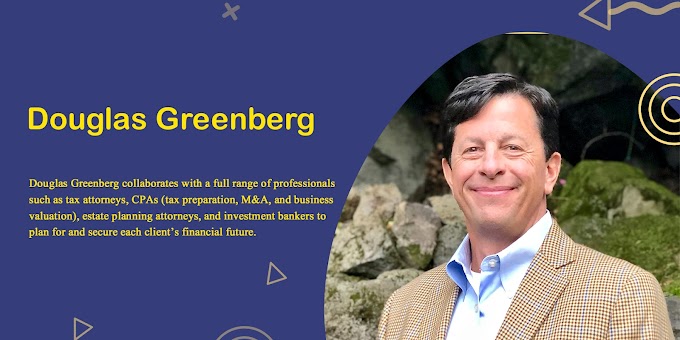
Douglas Greenberg is a seasoned financial advisor with a robust understanding of wealth management and exit planning, helping business owners successfully navigate their financial futures.


0 Comments